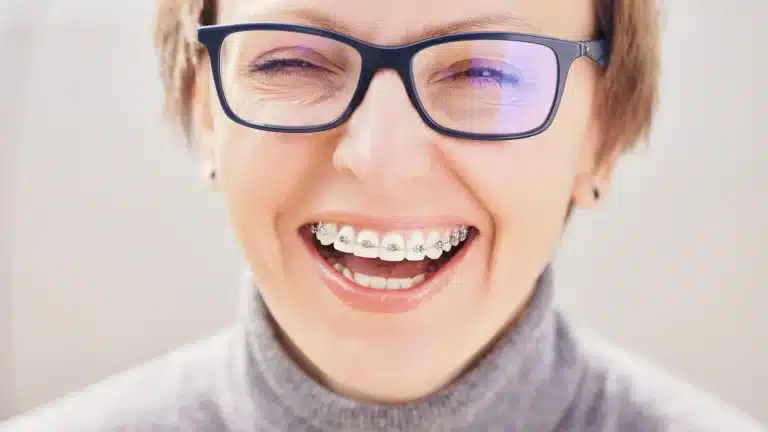
A lot of adults who had braces as teenagers share the same experience. They wore their retainer faithfully for a year or two after treatment, then wore it less, then eventually stopped. Life got busy. The retainer got lost, or cracked, or just sat in a drawer. Years later, they notice their teeth have shifted.
This is not an unusual situation. It’s actually one of the more common things orthodontists hear from adults who are returning to treatment. Understanding why teeth shift after orthodontic work, and what retainer wear actually needs to look like long-term, helps make sense of why retention doesn’t really have an end date.
Why Teeth Move After Orthodontic Treatment
The teeth don’t stay where braces or aligners put them simply because treatment is finished. Teeth are held in place by the periodontal ligament, a network of fibres that connects each tooth root to the surrounding bone. During orthodontic treatment, these fibres are stretched and compressed as the teeth move. After treatment ends, they have a biological tendency to pull the teeth back toward their original positions. This is called orthodontic relapse.
The bone and tissue around the teeth also take time to stabilize in their new positions. For the first several months after treatment, this process is still very much in progress. But even years after that initial stabilization, teeth continue to shift gradually for reasons that have nothing to do with whether someone had braces.
Natural tooth movement happens throughout adult life. The teeth tend to drift slightly forward and inward as the jaws continue to develop and as the forces of biting and chewing accumulate over decades. Gum recession, bone changes, and habits like clenching can all contribute to this movement over time.
What Happens When Retainer Wear Stops
When a retainer isn’t worn consistently, teeth begin to drift. The rate and degree of movement vary between individuals. Some people notice relatively minor changes after years without a retainer. Others experience significant shifting, particularly in the front teeth, where even small movements are visible.
The lower front teeth are often the first area where relapse becomes noticeable. These teeth have less root surface area than the back teeth and are subject to ongoing pressure from the lips and tongue. Even patients who had excellent results from treatment sometimes see lower incisor crowding return if retention isn’t maintained.
For adults who finished treatment as teenagers and stopped wearing their retainer in their early twenties, decades of natural tooth movement may have occurred. By the time someone is in their 40s or 50s and notices the shifting, the change from both relapse and natural drift can be meaningful.
Types of Retainers and What They’re Each Suited For
Removable retainers
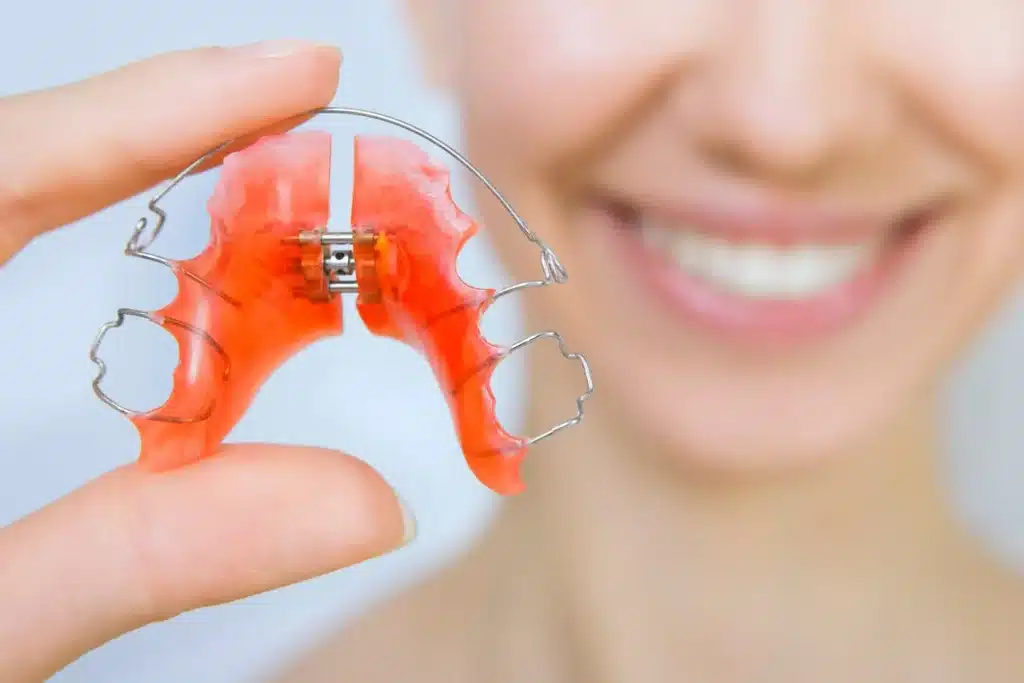
Removable retainers come in two main forms. Hawley retainers use a wire that runs across the front teeth attached to an acrylic plate. Essix-style retainers are clear plastic trays that fit over the teeth, similar in appearance to Invisalign aligners.
Both types work well when worn consistently. Clear retainers are less visible and generally more comfortable for adults who need to wear them in professional or social settings. Hawley retainers tend to be more durable over time and can be adjusted if minor tooth movement has occurred.
The main risk with removable retainers is straightforward: they only work when they’re being worn.
Fixed retainers
A fixed retainer is a thin wire bonded to the back surfaces of the front teeth, most commonly the lower front teeth. It’s not visible and requires no active compliance because it’s always in place.
Fixed retainers provide continuous retention without relying on the patient to remember to wear anything. They do require some additional care during cleaning, as flossing around a bonded wire takes more attention than standard flossing. They can also break or debond over time, and if that happens without the patient noticing, teeth can shift before the issue is caught at a routine check.
Many patients end up with a combination: a fixed wire on the lower front teeth and a removable retainer for the upper arch.
What to Do If Your Retainer No Longer Fits
If you try a retainer that hasn’t been worn in a while and it no longer fits, don’t try to force it in. A retainer that doesn’t seat comfortably is a sign that the teeth have moved, and wearing a retainer that no longer fits properly can put inappropriate pressure on the teeth.
The right step is to contact an orthodontist for an assessment. Depending on how much movement has occurred, the options range from a new retainer fabricated to fit the current tooth positions to a short course of retreatment to bring the teeth back into alignment before a new retainer is made.
Kelowna Orthodontics offers retention services for patients at all stages, including adults returning after years without wearing a retainer. No referral is needed to book a consultation.
How Long Should Adults Wear Retainers?
The honest answer is indefinitely. Not necessarily full-time, but consistently. Most adults who are past the initial active retention phase (typically the first year or two after treatment) are advised to wear their retainer nightly on an ongoing basis.
This is a significant shift from what many people were told after finishing treatment in the 1990s or early 2000s, when the guidance was often to wean off retainer wear over time. Current understanding of how teeth continue to move throughout adult life has changed the recommendation.
For patients who have a fixed lower retainer in good condition, the nightly removable retainer for the upper arch is still important. And for anyone without a retainer at all, getting one made at your current tooth positions is far simpler than waiting until retreatment becomes necessary.
About Kelowna Orthodontics
Kelowna Orthodontics is located at 102-1110 Harvey Ave in Kelowna, BC, and serves patients across the Central Okanagan from Penticton to Vernon. The practice is led by three certified specialists in orthodontics: Dr. Derek Pollard, Dr. Diego Diaz, and Dr. Jessica Kehler. No referral is required to book a consultation, and zero-interest payment plans are available.
Book a Retainer Consultation at Kelowna Orthodontics
If your retainer no longer fits, or if you’ve been without one for years and want to understand where things stand, Kelowna Orthodontics is accepting new patients.
Call (250) 763-3312 to book your appointment. No referral needed.
- Book a retainer assessment at Kelowna Orthodontics
- Call us to discuss a new retainer or check on shifting teeth
- Schedule a retention consultation with our orthodontic team in Kelowna
- Contact Kelowna Orthodontics to ask about fixed or removable retainer options
- Request a free consultation at our Harvey Ave location today.